
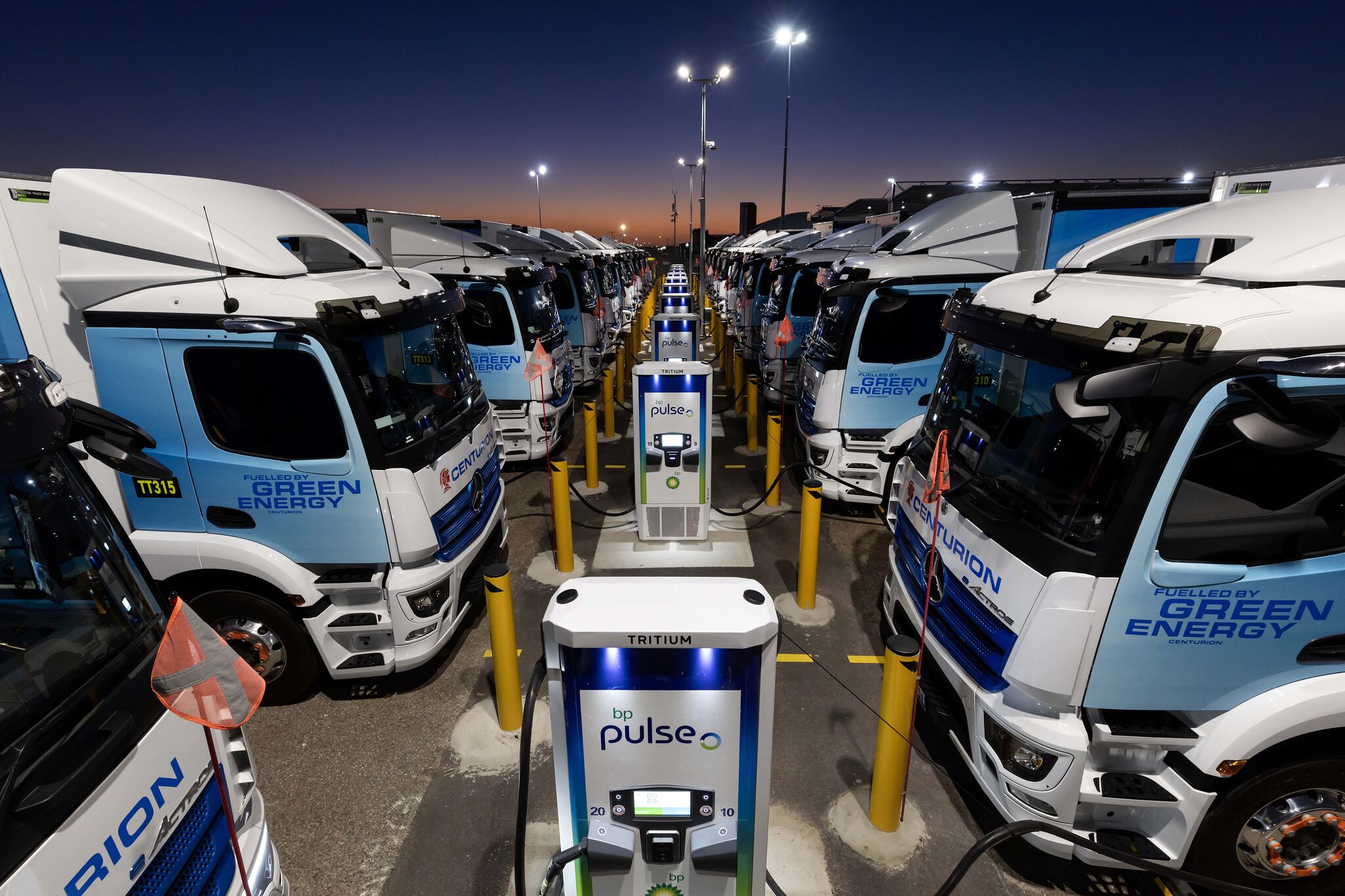
As global EV adoption accelerates, the pressure on Charging Point Operators (CPOs) to build scalable, reliable, and future-ready charging infrastructure with a modular EV charging system for CPOs has never been greater. Traditional charging systems built as fixed, monolithic units struggle to keep up with shifting power demands, rapid technology evolution, and the need for continuous uptime. Modular EV charging architecture is emerging as the most efficient and sustainable way for CPOs to expand networks, manage lifecycle upgrades, and prepare for next generation charging demands.
This guide explains how modular EV charging systems help CPOs stay ahead of technological change while maximizing long-term ROI and network reliability.
Understanding the Modular EV Charging System Landscape
What Defines a Modular Charging System?
A modular charging system is built around the principle of plug-and-play components that work cohesively while remaining independently serviceable. Each module whether power delivery, control logic, or cooling is designed to operate autonomously, making it possible to scale performance or replace parts without interrupting the entire system. For CPOs, this structure offers long-term adaptability, ensures compliance with evolving charging standards, and enables flexible planning based on location-specific traffic and demand patterns.
Modular vs. Traditional Fixed-Chassis Charging Hardware
Traditional chargers use a single integrated chassis. If one component fails, the entire unit may go offline.
Modular chargers use a distributed approach:
- Power is delivered through multiple independent power modules
- Components can be hot swapped in minutes
- Upgrades require adding or replacing specific modules
This improves uptime, serviceability, and long-term flexibility.
Why Modularity Is Critical for CPOs Facing Rapid EV Adoption
EV charging demand is dynamic high in some regions, low in others, and quickly rising in many markets. Modular systems allow CPOs to:
- Start with lower power levels
- Expand capacity as demand grows
- Upgrade to higher power outputs as vehicle technology evolves
This avoids costly full replacements and reduces operational disruptions.
The Role of Modular Architecture in Smart Charging Ecosystems
Modularity plays a central role in:
- Energy management
- Vehicle-to-grid (V2G) readiness
- Renewable energy integration
- High-power charging upgrades
It brings together hardware flexibility with software intelligence.
Key Components of a Modular EV Charger Architecture
Power Modules and Scalable Capacity Units
Power modules form the core of the charger’s output capability. CPOs can start with a base configuration such as 50kW and scale upward by simply inserting more modules into the charger rack. This stacking approach optimizes both capital allocation and long-term operational stability since each module can be controlled independently for load balancing and energy efficiency.
Modular Rectifiers for Efficient Power Conversion
Rectifiers convert AC power from the grid into DC power for EV batteries. Modular rectifier designs allow operators to increase conversion capacity as demand rises without replacing the entire power conversion system. This also ensures higher redundancy; if one module fails, others compensate to keep the charger operational, sustaining service availability.
Field-Replaceable Cooling and Thermal Control Modules
One of the most common points of failure in high-power chargers is the cooling system. Modular cooling units solve this by enabling quick field replacements without exposing sensitive electrical components. Efficient thermal control not only protects internal electronics but also enhances energy delivery consistency, especially in high-temperature regions or heavy-use sites.
Benefits of Modular EV Charging Architecture for CPOs
Higher Uptime Through Rapid Component Replacement
With hot-swappable modules, CPOs can quickly restore service when a component malfunctions. Instead of waiting for full-unit replacement, technicians can swap individual modules in minutes. This is an area where Tritium Charging has particularly excelled, designing chargers that prioritize maximum uptime and seamless on-site servicing.
Lower Lifecycle Costs with Incremental Modernization
Rather than investing in entirely new hardware every few years, modular chargers promote an incremental upgrade strategy. CPOs can replace outdated modules with next-generation variants, reducing e-waste and extending the useful life of the original charger cabinet. This approach significantly improves overall ROI.
Faster Deployment and Shorter Installation Cycles
Modular cabinets and standardized components simplify installation, allowing CPOs to bring new sites online faster.
How Modular Architecture Supports DC Fast Charger Upgrades
Scaling from 50kW → 150kW → 350kW Without Replacing Cabinets
Modular architecture enables power expansion without replacing the main charger enclosure or foundational wiring. By adding new power modules, CPOs can evolve charging capability in line with vehicle technology advancements saving time, reducing capital costs, and improving charger longevity.
Adding Power Modules to Meet Peak Hour Demand
Peak usage times can strain existing chargers, causing queues and slower operations. Modular systems allow CPOs to add temporary or permanent power modules to tackle high traffic periods. This flexibility helps maintain customer satisfaction while maximizing charger utilization rates.
Future-Readiness for High-Power Charging and Megawatt Systems
Modularity is essential for next generation charging particularly for heavy-duty fleets requiring extremely high power, especially when expanding into a high power charging station setup.
Practical Design Considerations for CPOs Deploying Modular Chargers
Choosing Hardware with Multi-Year Upgrade Paths
When selecting hardware, CPOs should prioritize chargers with documented upgrade roadmaps. Manufacturers should provide clear guidelines for how modules can be enhanced over the next 5–10 years, ensuring the equipment remains compatible with emerging standards.
Planning for Flexible Site Expansion and Space Allocation
Site design must accommodate future module expansion, additional cabinets, and increased transformer capacity. Proper planning ensures smooth growth without requiring costly relocation or redesign of existing infrastructure.
Ensuring Compatibility with Existing Networks and Backends
Modular chargers must be fully compatible with OCPP versions, billing engines, monitoring platforms, and proprietary backends. Seamless integration reduces deployment friction and ensures all modular functions like remote diagnostics operate at their full potential.
Operational Advantages of Modular Systems for CPOs
Minimizing Downtime with Hot-Swappable Components
Hot-swappable modules eliminate the need to shut down an entire charging station for repairs. This improves network reliability and ensures customers have consistent access to chargers even during maintenance activities.
Remote Diagnostics for Predictive Maintenance
Through IoT-based monitoring and advanced analytics, modular chargers can detect issues early sometimes before a module fails. This predictive capability enables proactive service planning and reduces operational disruption.
Isolating Faulty Modules to Keep Stations Partially Operational
Even when a module fails, the remaining active modules continue operating, allowing the charger to deliver reduced but uninterrupted power. This redundancy is crucial for maintaining a positive customer experience during service cycles.
Financial and Strategic ROI of Modular EV Charging Infrastructure
CAPEX Efficiency Through Incremental Power Expansion
Modular chargers help CPOs avoid over-investing at early site stages. Instead of building for peak future demand from day one, operators can invest progressively as real-world usage increases.
OPEX Reduction via Faster Maintenance and Lower Failures
Quicker repairs, fewer full-unit replacements, and reduced downtime contribute directly to lower operational expenses. Modular systems also minimize travel times for technicians, as most issues are resolved on-site with minimal tools.
Avoiding Stranded EV Infrastructure Investments
With advancing EV technology, fixed-chassis chargers face rapid obsolescence. Modular chargers remain relevant for multiple generations of EVs, ensuring every dollar invested continues delivering value for years.
Implementation Roadmap for CPOs Transitioning to Modular Architecture
1. Evaluate Current Charging Network Needs
Analyze existing stations, power supply, user patterns, and downtime statistics to understand where modular upgrades offer the most benefit.
2. Define Upgrade Path Based on EV Adoption Trends
Identify acceleration zones regions where EV adoption is growing rapidly and prioritize modular-ready hardware in those areas.
3. Select Modular Hardware and Software Platforms
Choose charging solutions that offer modularity across electrical, mechanical, and digital subsystems. Ensure compatibility with existing backends and scalable software platforms for long-term management.
Conclusion
Modular EV charging architecture provides CPOs with a powerful path toward scalability, reliability, and long-term infrastructure sustainability. As EV adoption increases and charging expectations evolve, modular systems offer unmatched flexibility allowing CPOs to adapt power levels, replace components quickly, and stay aligned with industry standards. By investing in modular chargers today, operators can future-proof their networks, extend charger lifecycles, and ensure high-quality charging experiences for years to come.
Get in touch with Tritium Charging for expert guidance.
FAQ
1. What makes modular EV chargers more cost-effective long-term?
Modular chargers allow component-level upgrades and replacements, preventing full system overhauls and extending the charger’s lifespan.
2. Can modular chargers support future high-power EV requirements?
Yes. Modular systems scale from lower outputs to high-power and ultra-fast charging levels by adding additional power modules.
3. How does modular architecture reduce charger downtime?
Hot-swappable components and independent modules keep chargers operational even when individual components fail.
4. What components are most commonly modular in DC fast chargers?
Power modules, rectifiers, cooling units, communication boards, connectors, and distribution modules are typically modular.
5. Is modular charging suitable for both small CPOs and large networks?
Yes. Modular architecture supports small deployments that may scale over time and large networks requiring continuous uptime.